Mosquito Control in Ellensburg
Science-Backed Mosquito Spraying for Kittitas County Properties
Ellensburg’s warm summers come with a less welcome feature: ideal mosquito breeding conditions. Agricultural irrigation canals, proximity to the Yakima River, and standing water in low-lying areas create abundant habitat throughout the season. The wind that defines Ellensburg weather doesn’t eliminate mosquitoes. It pushes them into dense vegetation and shaded areas, where they wait out the gusts and re-emerge when conditions calm.
Prosite has provided mosquito control in Ellensburg and across Kittitas County since 2011. Our licensed, insured technicians use research-backed methods to target mosquitoes at every stage of their life cycle, from eggs and larvae in standing water to adult populations resting in foliage. That’s the difference between surface spraying and actual control.
Call us today at (509) 478-1925, or contact us online for science-driven mosquito solutions.
Why Mosquito Control Is a Health Issue in Ellensburg
Mosquitoes in Central Washington aren’t just a nuisance. Culex tarsalis (Western Encephalitis mosquito) and Culex pipiens (Northern House mosquito) are the dominant species in this region and the principal vectors for West Nile virus in Washington State. According to Washington State Department of Health surveillance data, WNV is detected annually in the state, and mosquito pools in Kittitas County have tested positive. The virus poses the greatest health risk to adults over 60 and people with underlying health conditions, and there is no vaccine or specific treatment for human infection.
- West Nile Virus Transmission: WNV season in Washington runs from approximately May through October, aligning with Kittitas County’s peak mosquito activity period.
- Rapid Reproduction: A female mosquito can lay hundreds of eggs in a small amount of standing water: a clogged gutter, a flower pot saucer, or an irrigation puddle, producing population surges within days.
- Pet Vulnerability: Mosquitoes transmit heartworm disease to dogs and cats, a potentially fatal parasitic condition if left untreated.
- Outdoor Livability: High mosquito pressure during Ellensburg’s peak warm months limits gardening, recreation, and everyday time outdoors during the season you actually want to use your yard.

Why DIY Mosquito Products Fall Short
Consumer-grade sprays, candles, and traps target only adult mosquitoes that are currently active. They don’t reach eggs adhered to container surfaces or larvae developing in standing water, so the infestation rebuilds within days of treatment. Without interrupting the reproductive cycle, you’re managing symptoms rather than the population.
Professional service brings access to commercial-grade products not available to the general public, along with the biological knowledge to use them effectively. A trained technician understands where Culex mosquitoes shelter during Ellensburg’s windy periods and when they’re most vulnerable to treatment. That local species knowledge drives application timing and targeting in ways a store-bought product can’t replicate.
Mosquito control is also a season-long commitment. Kittitas County’s mosquito season runs from approximately May through October. Regular treatments help maintain a protective barrier around your property through the full peak breeding period, supporting more consistent protection rather than the cycle of reinfestation that follows a single application.

Frequently Asked Questions
What Are the Benefits of Professional Mosquito Control?
Professional mosquito control gives you access to commercial-grade products and application methods that consumer products can’t match. A trained technician addresses the full mosquito life cycle, including larvae and eggs, rather than only the adults you can see. The result is more comprehensive, longer-lasting protection than store-bought options deliver.
How Often Should Mosquito Control Services Be Scheduled?
Monthly service during peak season is the standard recommendation for maintaining consistent protection. The right frequency depends on your property size, existing infestation level, and environmental conditions. Properties near irrigation canals or water features may benefit from more frequent visits during the height of summer.
Is Mosquito Control Safe for My Family and Pets?
We use eco-friendly treatments and apply them according to label directions. Our technicians are trained to apply products precisely to minimize risk to non-targeted organisms, and we’ll let you know of any specific precautions before and after each treatment.
Can I Handle Mosquito Control on My Own?
DIY solutions can offer temporary relief, but they don’t address the reproductive cycle. Mosquitoes quickly reinfest treated areas when eggs and larvae in standing water are left untouched. Consistent, professional treatment is a reliable approach for long-term population management across your full property.
Frequently Asked Questions
-
Do you provide wildlife control services in Spokane?No, we only offer wildlife control services to customers in Kittitas & Yakima counties.
-
Skunks
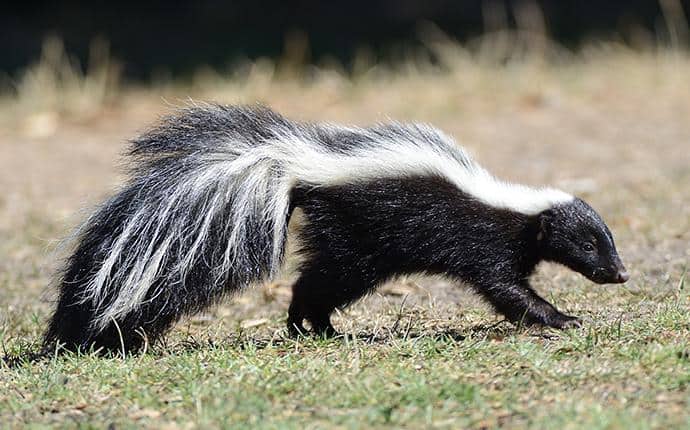
Their most unique feature is their black body which has a white stripe starting at their head and divides into two stripes that travel down their entire body and tail. But, their most identifiable characteristic is the extremely foul odor that skunks spray from glands found at the base of their tail as a defense mechanism. If sprayed directly into a person's or animal's eyes the spray can cause temporary blindness.
Adult skunks grow to between 20 and 30 inches in length, with their tail adding 7-15 inches to their total length. Adults weigh between 2.5 and 11.5 pounds (i.e. the size of a small housecat).
*Limited services available for skunks.
-
Raccoons
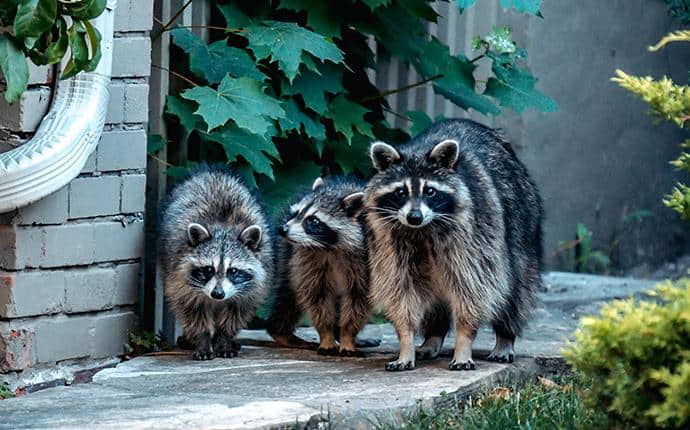
Raccoons have many easily recognizable physical features including a black “mask” of fur that surrounds their eyes, fluffy black and gray ringed tails, and a hunched appearance caused because their hind legs are longer than their front legs. Their bodies are covered in dense salt and peppered colored fur. Raccoons may grow to up to three feet in length and weigh between 10 and 30 pounds.